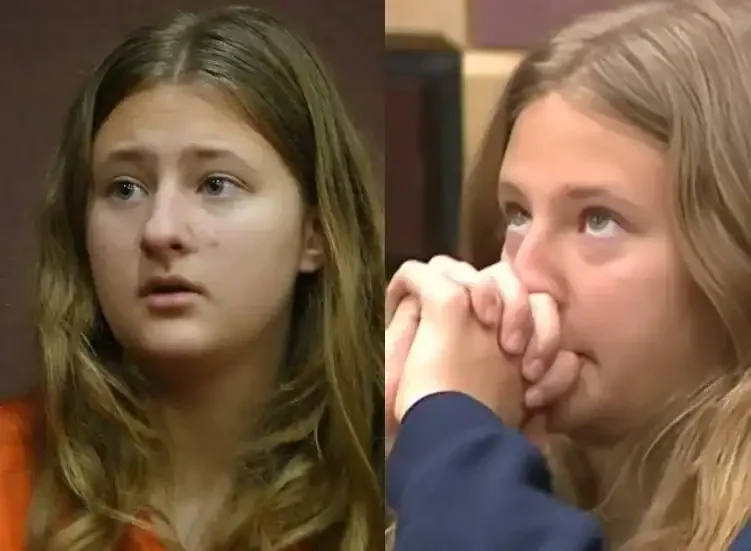
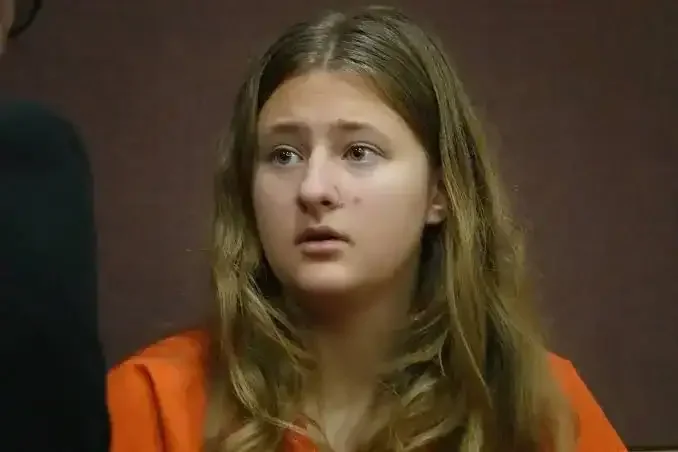
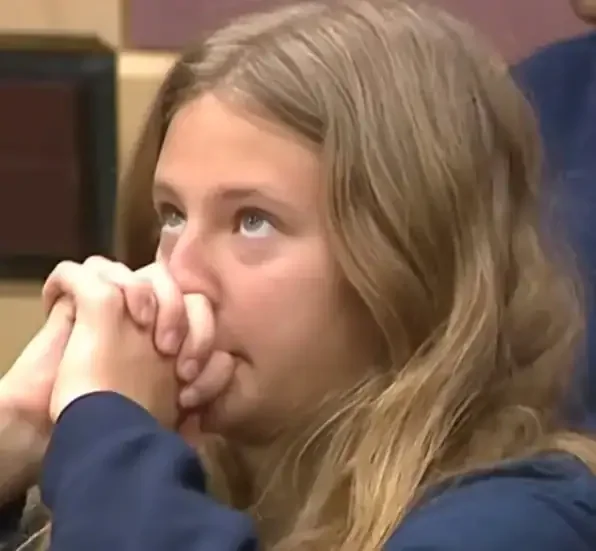
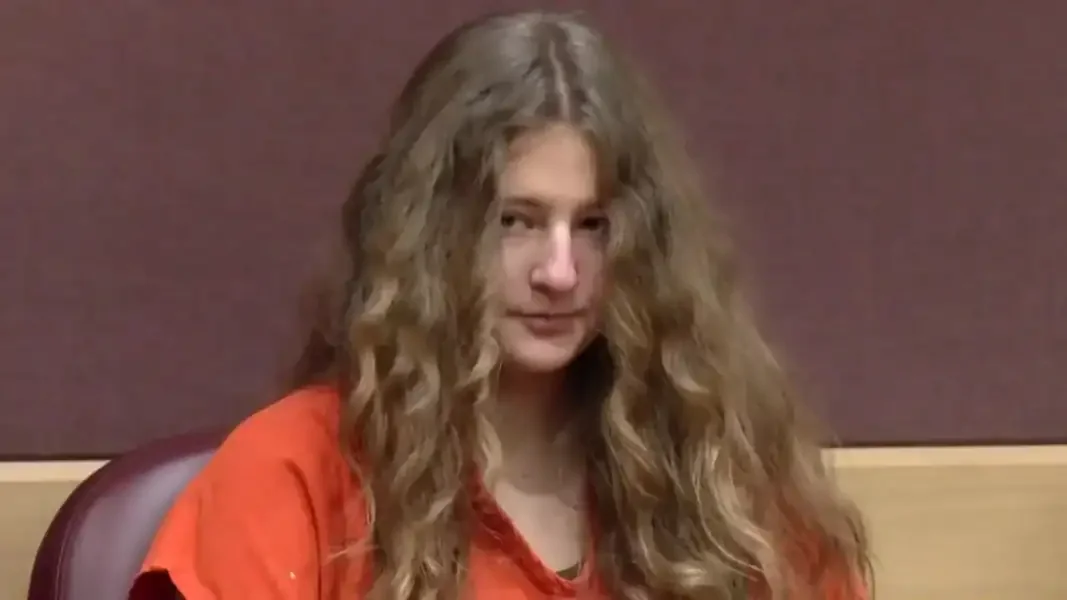
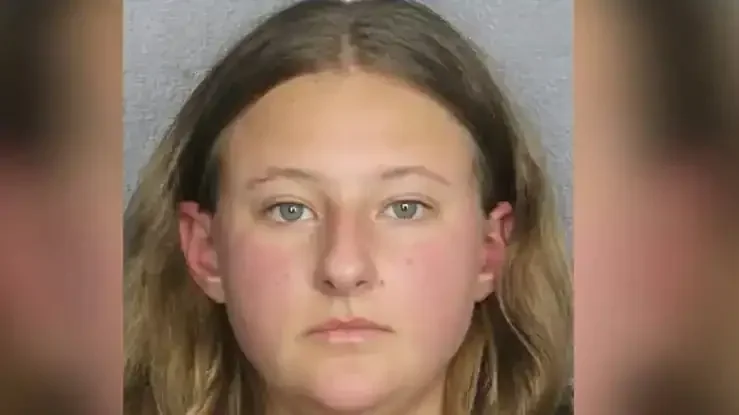
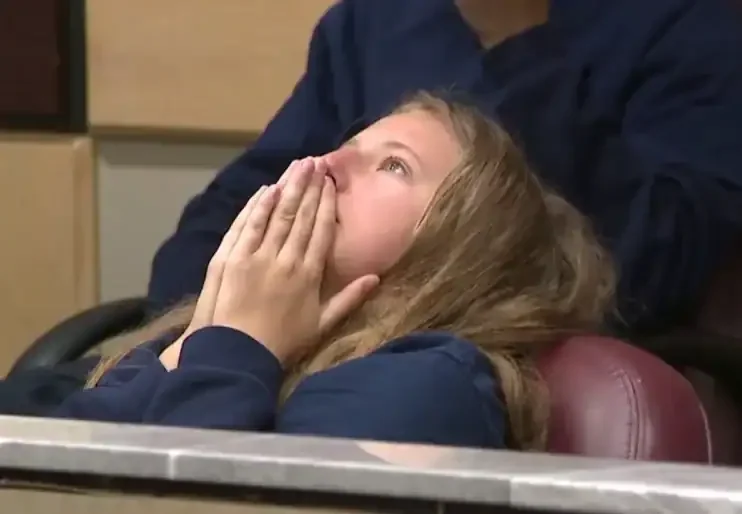
In 2024, a homicide case drew the attention of authorities and residents in Florida. In May of that year, Sofia Koval, a 14-year-old girl, was accused of causing the death of her grandmother, 79-year-old Yevheniia Koval. The incident involved violence and took place amid difficult family circumstances. Sofia had recently moved from Ukraine to the United States after experiencing the effects of war and separation from her mother.
According to accounts from her father, Sofia had behavioral difficulties after the experiences she went through during the conflict. The information provided does not specify what those difficulties involved or describe any clinical assessment. It does, however, place the family’s circumstances and the effects of displacement among the factors discussed in connection with the case. Those details provide context, but the source does not establish that they caused or explain the events that led to Yevheniia’s death.
Investigators said the episode occurred after Sofia’s father took away her cellphone as a punishment and left the house, leaving the teenager with her grandmother. When he returned, he found Yevheniia unconscious and seriously injured. The account does not provide further details about the precise timing of the events, the location within Florida, or the nature of the injuries beyond describing them as severe.
During the investigation, Sofia reportedly admitted striking her grandmother repeatedly with a belt. She initially said she had been trying to defend herself after Yevheniia scratched her. That explanation is reported as Sofia’s account; the available information does not describe in detail how investigators assessed it or what other evidence was considered. Yevheniia was taken to a hospital after being found, but she did not survive her injuries. Authorities classified her death as a homicide.
The criminal charge against Sofia changed during the proceedings. She was initially accused of second-degree murder, but the charge was later changed to manslaughter. The source does not identify the specific statute or provide the legal reasoning for the change. Because criminal-law terms do not always correspond exactly from one legal system to another, “manslaughter” here describes the charge as reported; the supplied account does not give enough information to determine the precise offense under Florida law or the elements prosecutors would have needed to establish.
Sofia was a minor, and the case was handled through a juvenile rehabilitation measure rather than a sentence in the adult prison system, according to the information provided. The account does not specify the length or conditions of that measure, the court that issued it, or whether any additional requirements were imposed. It therefore does not support conclusions about the details of her supervision, treatment, or current circumstances.
The distinction between an accusation and a legal outcome is important in understanding the account. An accusation identifies what authorities alleged at a particular stage; it does not, by itself, describe every finding made in court. Similarly, a change in the charge indicates that the formal allegation changed, but without additional court records or an explanation from authorities, the reasons for that change cannot be stated. The reported juvenile measure is the outcome described in the source, but the article text does not provide a full account of the legal process.
The case also raised questions about how the justice system should respond when a young person is involved in a serious act of violence. The account describes a decision to use a juvenile rehabilitation measure rather than adult imprisonment. In general terms, juvenile proceedings can differ from adult criminal cases in their focus and procedures, but the source does not provide enough information to characterize the specific legal standards or services applied to Sofia. It also does not say whether the decision was based on her age alone, the circumstances of the incident, assessments made during the case, or other considerations.
The family’s recent history forms another part of the reported context. Sofia had moved from Ukraine to the United States, and the account says she had experienced the effects of war and separation from her mother. Forced displacement can involve major changes in a person’s home, relationships, routines, and sense of security. Those broad descriptions help explain why migration and conflict may be relevant topics in a discussion of a child’s well-being. They do not establish what Sofia personally experienced beyond the details reported, nor do they determine what role those experiences played in this particular incident.
The father’s account of behavioral difficulties after the conflict is likewise presented as background rather than a diagnosis. The source does not identify a specific mental-health condition, describe professional evaluations, or report treatment. Without such information, it would be inaccurate to assign a diagnosis or claim that trauma caused the violence. The available report supports only the narrower statement that her father described difficulties following her experiences during the conflict and that the family’s history became part of the broader discussion surrounding the case.
The sequence of events described in the report is limited but central: Sofia’s cellphone was taken away as punishment; her father left her with Yevheniia; he later returned and found his mother unconscious and seriously injured; Sofia reportedly acknowledged striking her grandmother with a belt and initially said she was defending herself; Yevheniia was hospitalized and died; and the charge against the teenager was later changed. These details summarize what the source says, while leaving unanswered questions about the investigation and legal proceedings.
The episode prompted discussion of the psychological effects of war during childhood, the challenges connected with forced displacement, and the way courts should handle teenagers accused of serious crimes. It also brought attention to questions about criminal responsibility, psychological support, and whether young people involved in violence can recover. The information supplied does not report specific public statements, expert assessments, or details of services provided in this case. The discussion can therefore be described as a set of issues the incident raised, not as evidence of a particular conclusion about Sofia or her family.
The report’s account presents both the loss of an elderly family member and the involvement of a young teenager. It describes Yevheniia’s death, the allegations against Sofia, the family circumstances cited in connection with the event, and the juvenile measure that followed. Beyond those reported details, important matters remain unspecified, including the complete evidence, the court’s reasoning, the terms of the rehabilitation measure, and any subsequent support. Keeping those limits clear helps distinguish the known account from assumptions about motive, diagnosis, or the precise operation of the legal process.